Corn Tastes Better on the Honor System
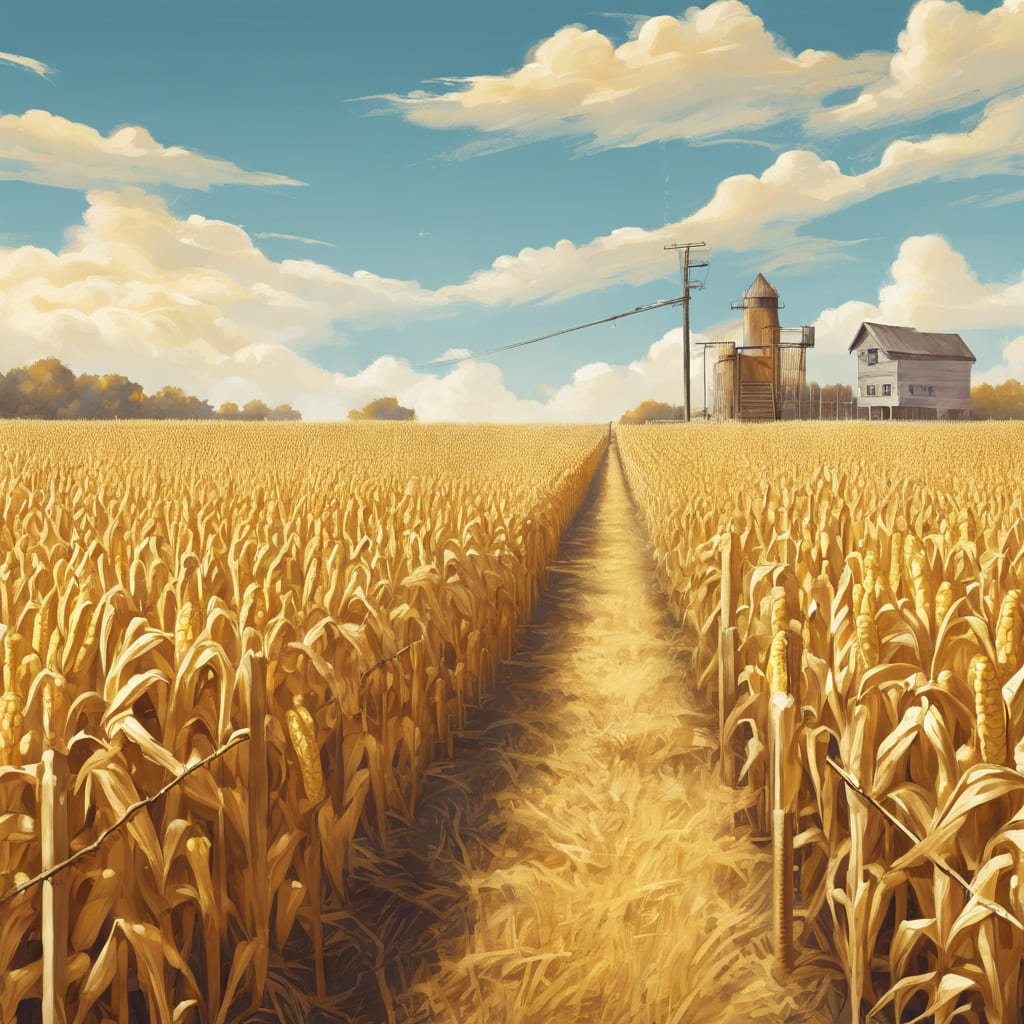
The essay “Corn Tastes Better on the Honor System” is about how the indigenous people viewed corn and how the Western world views it. The indigenous people view it as sacred as we can see from the many names it is called by the indigenous people in the following paragraph: This remarkable plant has been known by as many names as the peoples who have grown it: The Seed of Seeds, Our Daily Bread, Wife of the Sun, and Mother of All Things. “Bringer of Life,” became the word maize in English. These indigenous names honor maize as the center of culture and reflect a deeply respectful relationship between people and the one who sustains them.
This is completely different to how the Western world see it as seen from the following paragraph: The term used for the modern crop carries none of this feeling and is rooted in intentional blindness to the original meaning of the plant. Rather than adopt the reverent indigenous name, English settlers simply called it corn, a term applied to any grain—from barleycorn to wheat. And so it began, the colonization of corn.
In my opinion, the purpose of the essay was to better educate the modern world that there was more to corn than just being consumed as food, that at one time and still in some parts of the world corn was and is viewed as sacred and had many more benefits that just nourishing the body.


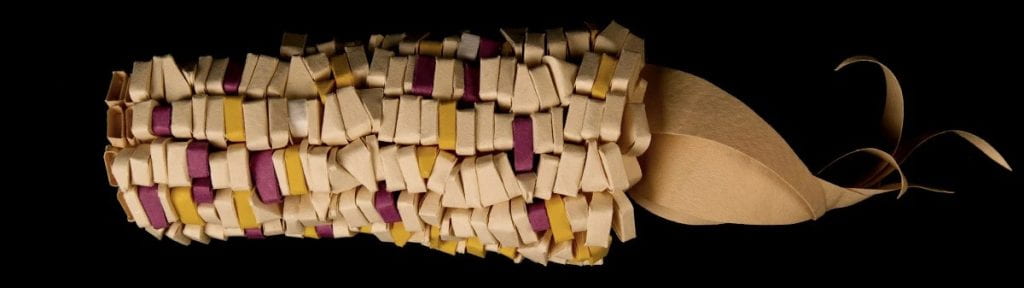
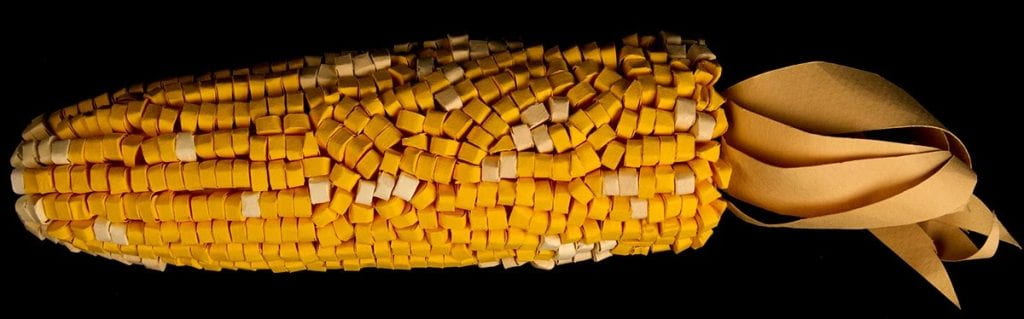
There were no places in the essay that I did not understand but did find interesting.
What I did find interesting was male and female flowers are on different parts of the plant, making it possible to influence the parentage of the seeds. The male tassels shed pollen from the top of the plant, and the female flowers, sheathed inside the ear, are connected to the outside world only by the corn silk, the long tubes that are the conduit for fertilization. Each strand of corn silk leads to a waiting ovary, which if pollinated, becomes an individual kernel. The astute farmer can cross males of one type with females of another to get new varieties. With whole cobs of different offspring to choose from, the farmer selects the best genetic combinations every year, gradually improving and changing the plant through artificial selection. Whether open-pollinated or the result of careful matchmaking, maize is a plant of extraordinary genetic diversity. Modern corn of industrial agriculture grows a uniform, homogeneous product, so unlike the riotous variety of indigenous maize.
An ear of corn represents an entire family of seeds anchored to the cob. No other plant packages its energy-rich seeds so efficiently. This is good for the plant and good for the people. Singly borne seeds are each vulnerable to pests, disease, and hungry birds, but corn protects them all together in sheathing layers of husk. It’s much easier to harvest seed-packed ears than individual seeds. This efficiency means a single plant will generously fill the soup pot for its caretakers. With all those offspring wrapped in a husk blanket, maize embodies her name, the Corn Mother.
These same traits that make maize so valued by humans also make it impossible for her to survive without us. With all those kernels packed tightly together and completely enclosed by the husk, the seeds are trapped. They can’t disseminate themselves. They need human hands to liberate them from the husk, to twist them from the cob and to sow them in fertile soil. They need us to poke them into the earth every spring. People and corn are linked in a circle of reciprocity; we cannot live without them and they cannot live without us
The many uses of corn!
I really enjoyed the following paragraphs because they author gives a “scene” of how different here planting method is compared to her neighbor, and she sees it as a sacred process and his is very mechanical.
As spring progresses my neighbor’s sprouting corn inscribes glowing green lines against the dark soil, drawing the contours of the land, like isoclines on a living topographic map. Its hypnotic evenness makes it look like it was planted by machine, which of course it was. I smile at the occasional deviation where the lines go askew for a few yards. Maybe the driver was distracted by an incoming text or swerved to avoid a groundhog. His distraction will be written on the land all summer, a welcome element of humanity in a food-factory landscape.
My garden looks different. The word “symmetry” has no use here, where mounds of earth are shoveled up in patches. I’m planting the way I was taught, using a brilliant innovation generated by indigenous science: the Three Sisters polyculture. I plant each mound with three species, corn, beans, and squash—not willy-nilly, but just the right varieties at just the right time. This marvel of agricultural engineering yields more nutrition and more food from the same area as monocropping with less labor, which my tired shoulders appreciate. Unlike my neighbor’s monoculture, Three Sisters planting takes advantage of their complementary natures, so they don’t compete but instead cooperate. The corn provides a leafy ladder for the bean to climb, gaining access to more light and pollinators. In return, the bean fixes nitrogen, which feeds the demanding corn. The squash with its big leaves shades the soil, keeping it cool and moist while also suppressing weeds. This is a system that produces superior yield and nutrition and requires no herbicides, no added fertilizers, and no pesticides—and yet it is called primitive technology. I’ll take it.
Corn tastes better on the honor system.









 Writing was not my strong suite, I did love to write in a notebook or notepad, I would have several different colored pens and highlighters and loved putting my words down on paper but never new how to organize my thoughts. I tried journaling for a little while, but I also felt like my thoughts were everywhere.